What Are Peptides
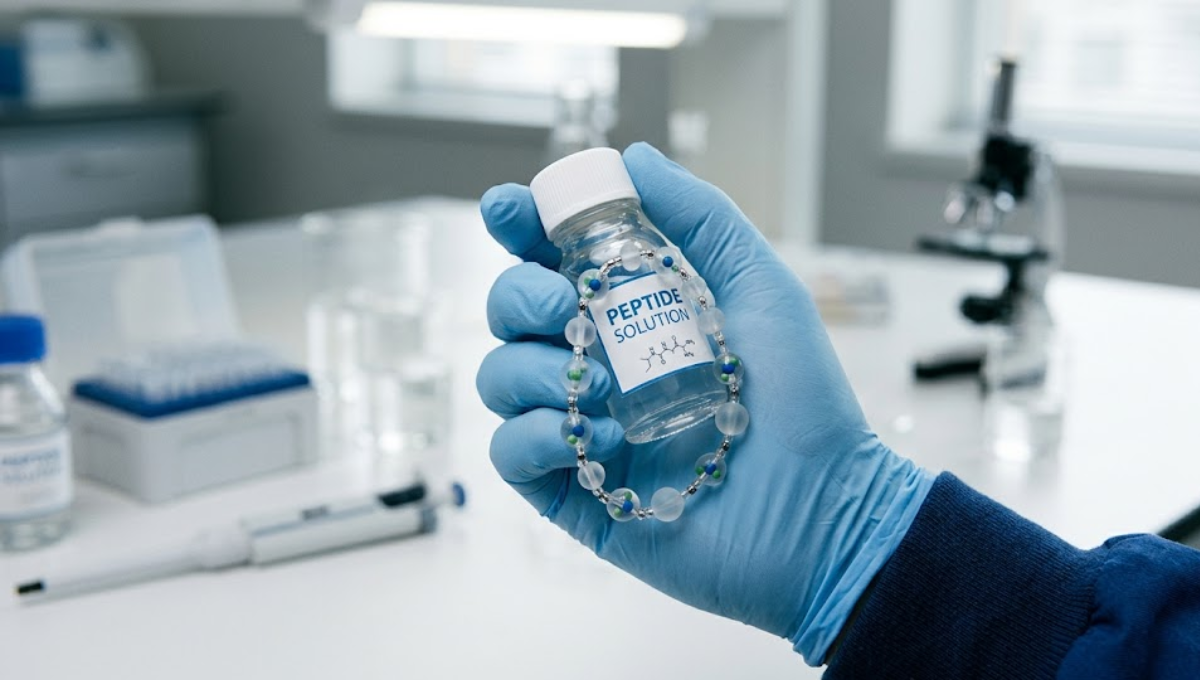
Peptides are short chains of amino acids, typically made up of 2 to 50 amino acids, and are essentially smaller versions of proteins. While proteins are often large and structurally complex, peptides are more compact and usually function as signaling molecules in the body. They play a central role in regulating many biological processes such as hormone secretion, immune system responses, metabolism, and tissue repair.
For example, insulin is a peptide hormone that regulates blood sugar, while other naturally occurring peptides influence appetite, inflammation, and even pain perception. Because of their biological importance, peptides are not foreign or artificial substances, they already exist within the human body and are essential for normal function.
Why Peptides Are Trending
Peptides have become popular in:
Fitness and bodybuilding (muscle growth, recovery)
Anti-aging skincare
Weight loss therapies
“Biohacking” and wellness clinics
Some peptides are also developed into FDA-approved medications, including:
Insulin (diabetes treatment)
GLP-1 drugs like semaglutide (weight loss and diabetes)
Other hormone-related therapies
Claimed Benefits vs Scientific Evidence
The scientific evidence supporting many peptides marketed in wellness and bodybuilding circles is far more limited. While early laboratory and animal studies suggest that certain peptides may influence growth hormone pathways, collagen production, or tissue repair, these findings do not always translate into proven benefits in humans.
A major issue is that many of the peptides promoted online have not undergone rigorous, long-term human clinical trials. This creates a gap between theoretical potential and actual medical evidence. In many cases, claims about rapid muscle gain, anti-aging effects, or fat loss are based on preliminary research or anecdotal reports rather than controlled scientific studies.
Are Peptides Safe?
Safety is another important concern. Medically approved peptides, when prescribed and monitored by healthcare professionals, are generally considered safe and have well-documented side effects.
For example, GLP-1 medications may cause nausea, digestive discomfort, or fatigue, but these risks are well understood and managed in clinical settings.
In contrast, many peptides sold as “research chemicals” or through unregulated online markets pose significant uncertainty. Their purity, dosage accuracy, and long-term effects are often unknown. This raises the risk of contamination, improper dosing, and unexpected biological effects.
Experts consistently warn that the lack of regulation in this space makes self-administration potentially risky, especially when compounds are injected without medical supervision.
Is the Hype Justified?
The hype surrounding peptides is therefore partially justified but also heavily exaggerated. On one hand, peptides are scientifically valid molecules with real therapeutic applications, and some have revolutionized modern medicine, particularly in diabetes and obesity treatment. On the other hand, many of the wellness claims associated with peptides lack strong clinical validation and are often amplified by marketing rather than evidence.
The current scientific consensus is that peptides hold promising potential, but their widespread use in anti-aging and performance enhancement is still not fully supported by robust human data.